Farm Animal 3D Paper Cut SVG Review
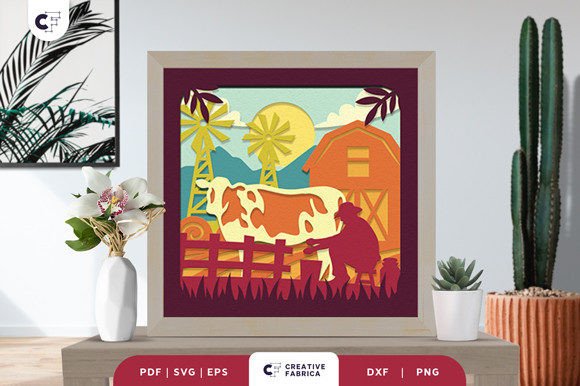
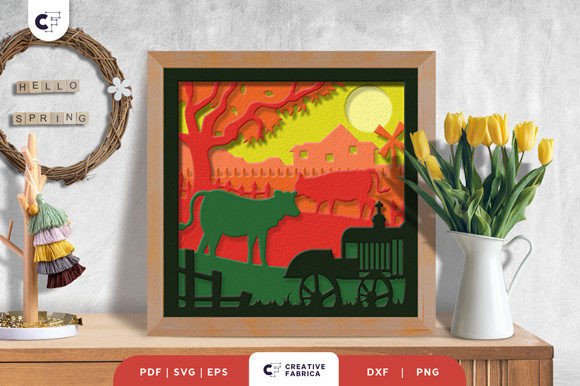
When I first opened the Farm Animal 3D Paper Cut SVG, my immediate reaction was one of visual delight mixed with a designer’s cautious skepticism. As someone who has stitched thousands of designs for clients, craft fairs, and online shops, I know that a pretty picture does not always translate into a clean stitch-out. This design promises an intriguing light box effect created by cutting layers of paper with spring-inspired themes, featuring a large cut-out base and a prominent cow farm motif. But does it hold up when transferred to thread? Can it survive the rigors of a commercial embroidery machine without becoming a tangled mess? After testing this machine embroidery design across various fabrics and project types, here is my honest assessment.
First Impressions and Visual Personality
The concept behind this Farm Animal 3D Paper Cut SVG is distinct. It moves away from traditional flat pictorial embroidery and leans into a layered, dimensional aesthetic. The mood is undeniably fresh, playful, and rustic-chic. For the modern crafter or boutique owner, this style stands out in a sea of generic floral or animal portraits. It feels like a handmade product that has been thoughtfully curated, rather than mass-produced. The layout suggests depth, which is crucial for grabbing attention on platforms like Etsy or at local craft markets. However, the "paper cut" look relies heavily on how well the different layers are defined. If the stitching is too dense or the colors clash, the illusion of depth collapses, and you are left with just another cow graphic. Fortunately, the structure of this file seems designed to mitigate that risk, provided you pay attention to color selection.
Real-World Application: From Screen to Stitch
I decided to test this embroidery file in a scenario that mimics real client demand: a custom embroidered tote bag for a spring-themed gift set. Tote bags are unforgiving; they are made of thin cotton canvas that shifts under the hoop, and any lack of stability shows immediately. I also tested it on a heavy cotton sweatshirt to see how the fill stitch areas handled the thicker fabric.
On the tote bag, the Farm Animal 3D Paper Cut SVG performed admirably. The key was using a proper tear-away stabilizer to prevent the thin fabric from puckering. The design’s reliance on negative space—mimicking the cutouts in paper—actually works in your favor here. It reduces the total area of coverage compared to a solid block image, which means less tension strain on the machine and a lighter feel on the final product. Customers appreciate items that don’t feel stiff or board-like after washing. The spring-inspired theme fits perfectly with seasonal collections, making it an excellent choice for holiday embroidery campaigns leading up to Easter or Earth Day.
For sweatshirt embroidery, the results were equally positive but required a different approach. The heavier fabric allowed for a more robust stitch density. Here, the design shines as a statement piece. Whether placed over the heart or centered on the back, the layered look gives the garment a premium, artisanal quality. It elevates a basic hoodie into a personalized gift worthy of a higher price point. The visual appeal is strong enough to drive engagement on social media, where potential buyers can see the intricate details even in small thumbnail images.
Where to Exercise Caution
No design is perfect for every surface, and I must highlight specific areas where this Farm Animal 3D Paper Cut SVG requires careful handling. First, avoid small hoop sizes. While the design might technically fit in a 4x4 inch hoop, the details will become muddy. Tiny lettering or fine lines within the paper-cut layers may disappear or merge together, ruining the 3D effect. Always confirm the recommended hoop size before committing to a small item like a baby onesie or a cap front panel.
Textured fabrics are another challenge. If you attempt to stitch this onto a chunky knit or a highly textured linen, the stitch density may not penetrate evenly, leading to skipped stitches or uneven tension. Similarly, stretchy fabrics require a high-quality cut-away stabilizer to maintain the integrity of the design. Without it, the "paper cut" illusion can warp, making the cow appear distorted or slanted.
Dark fabrics also present a unique hurdle. Since the design relies on contrast to create its layered look, dark backgrounds can swallow the lighter threads if you do not choose your thread colors wisely. I recommend testing a black-and-white mockup to ensure the separation between layers remains clear. If the contrast is low, the design loses its impact entirely.
Practical Designer Notes for Success
To get the best result from this digital embroidery file, I suggest following a strict testing protocol. Never jump straight into your final product. Instead, start by stitching on scrap fabric that matches the weight and texture of your intended material. Check the stabilizer choice carefully; too much can make the back bulky, while too little causes shifting.
Pay close attention to the applique design elements if present. If the file uses applique to create the paper layers, ensure your satin stitch edges are clean and free of gaps. A messy edge can ruin the crispness of the paper-cut aesthetic. Additionally, inspect the running stitch areas for any overly long jumps that might require trimming and could snag during wear.
For those selling finished goods, consider the end-user experience. Will the item be washed frequently? Designs with high stitch counts or delicate details may wear faster. The Farm Animal 3D Paper Cut SVG strikes a good balance, but reinforcing stress points is always a smart move for durability. Also, verify your licensing terms. Just because you bought the file does not automatically grant you commercial rights to sell unlimited quantities of the finished product. Clear licensing protects your craft business and builds trust with your customers.
Final Verdict
The Farm Animal 3D Paper Cut SVG is a versatile and visually striking addition to any embroiderer’s library. It offers a modern twist on traditional farm themes, making it suitable for a wide range of applications, from tote bag design to nursery decor. Its strength lies in its ability to create depth and interest without overwhelming the viewer. With careful execution regarding stabilizers, thread choices, and fabric compatibility, this design can elevate your small shop product line and attract discerning buyers looking for unique, high-quality handmade items. It is not just a design asset; it is a tool for creating memorable, professional-grade work.