House Full of Plant 3D Papercut: A Designer’s Take on 3D SVG Ornaments for Editorial Use
In the world of digital publishing, visual hierarchy is not just an aesthetic choice; it is a functional necessity. As a blog designer and publisher who has spent years refining how content looks across feeds, newsletters, and web pages, I have learned that the difference between a scroll-past and a click-through often comes down to the quality of the design asset used in the thumbnail or header. Recently, I evaluated a specific graphic design asset titled House Full of Plant 3D Papercut. This piece, categorized under Ornaments and formatted as a 3D SVG, offers a unique opportunity for creators looking to elevate their editorial design without sacrificing load times or scalability.
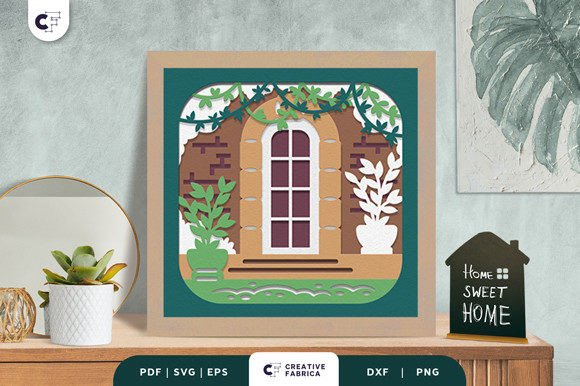
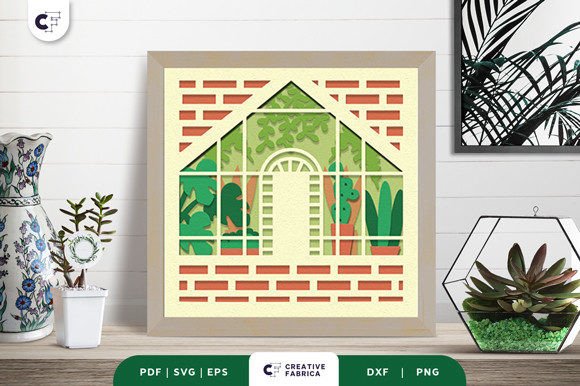
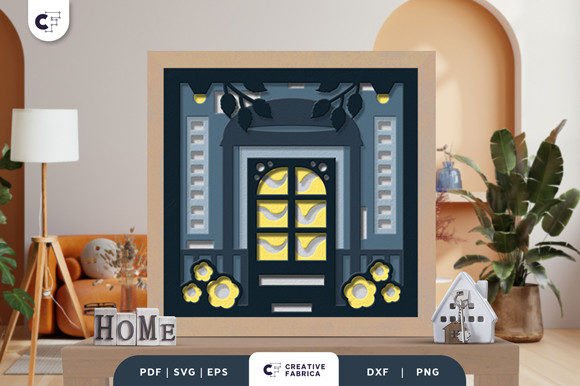
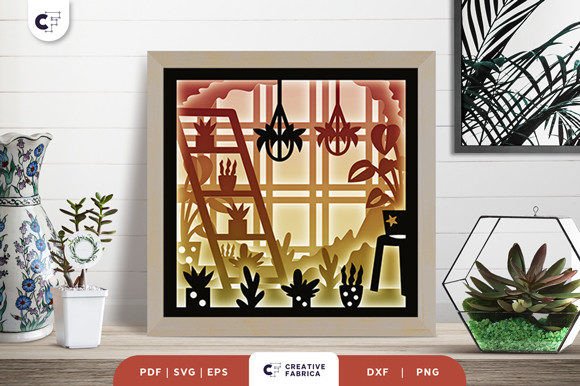
The initial impression of this asset is one of curated warmth. It is a nice-looking paper-cut template with a home theme that immediately signals comfort and organic growth. The description notes that this Floral Greenhouse 3D Shadow Box includes a greenhouse with a floral garden decoration, and the tidy arrangement makes this botanical garden feel structured yet lively. For a publisher, this translates to a mood that is both inviting and organized. It suggests a space where ideas can grow, making it particularly suitable for niches focused on lifestyle, wellness, gardening, interior design, or creative entrepreneurship.
Integrating 3D Depth into Flat Digital Layouts
One of the most significant challenges in modern web design is balancing visual interest with performance. Heavy images can slow down page speed, which negatively impacts SEO and user experience. By choosing a 3D SVG format like the House Full of Plant 3D Papercut, publishers gain the ability to use scalable vector graphics that maintain crisp edges at any resolution while remaining lightweight. This is crucial for maintaining a fast-loading website, especially when deploying these assets across multiple touchpoints such as mobile apps, email newsletters, and social media platforms.
The "shadow box" effect inherent in this papercut style adds depth without requiring complex CSS animations or heavy JavaScript libraries. When placed against a clean background, the layered elements create a subtle sense of dimensionality. This technique enhances the perceived value of the content. Readers subconsciously associate high-quality, thoughtful design with trustworthy information. In an era of AI-generated clutter, a well-crafted papercut illustration stands out as a human-centric, artistic choice that reinforces brand identity.
Practical Applications Across Content Marketing Channels
The versatility of this design asset allows it to fit seamlessly into various stages of the content marketing funnel. Here is how I would deploy this 3D SVG in a real-world publishing workflow:
- Blog Featured Images: Use the greenhouse motif as a background element behind bold typography for articles about home organization, plant care, or sustainable living. The tidy arrangement ensures that text remains readable while adding a decorative accent.
- Pinterest Pins: Pinterest is a highly visual search engine. The vertical orientation of many pin designs pairs well with the structured layers of this papercut art. Create a series of pins using different color variations of the SVG to test which hue resonates best with your audience.
- Newsletter Headers: Email clients have strict limitations on image size and code. An SVG banner keeps the file size minimal while providing a professional look. The floral garden decoration adds a touch of personality that increases open rates by breaking up the monotony of plain text emails.
- Digital Guides and Lead Magnets: If you are creating a downloadable PDF guide on starting a balcony garden, this asset can serve as the cover image or section dividers. It positions your digital product as a premium resource rather than a generic freebie.
- Social Media Graphics: For Instagram or LinkedIn posts, isolate specific elements of the shadow box—such as a single potted plant or a window frame—to create consistent branding across your feed. This supports small business branding by maintaining a cohesive visual language.
Enhancing Visual Hierarchy and Reader Trust
A strong visual hierarchy guides the reader’s eye through your content, ensuring they notice the most important information first. The House Full of Plant 3D Papercut supports this by providing natural focal points. The central greenhouse structure draws attention inward, which is ideal for highlighting calls to action (CTAs) or key takeaways within an article.
Furthermore, consistency in design builds trust. When a website owner uses a unified set of design assets across their category thumbnails, affiliate content visuals, and media kits, it creates a polished appearance. Readers are more likely to engage with content that looks professionally curated. This asset helps achieve that level of polish without the need for expensive custom illustrations. It serves as a reliable component in your toolkit for creative design, allowing you to focus more on writing and strategy.
Strategic Placement and Niche Suitability
While this asset is versatile, it is not a one-size-fits-all solution. Understanding where it works best—and where it might fall flat—is critical for effective editorial design.
Best Use Cases:
- Hero Images: Large-scale displays benefit from the intricate details of the papercut layers.
- Editorial Accents: Use smaller instances of the design to break up long-form text, adding visual relief without distracting from the narrative.
- Category Visuals: Assign this iconography to categories related to home, nature, or creativity to help users navigate your site intuitively.
Areas for Caution:
- Small Mobile Thumbnails: On very small screens, fine details may become indistinct. Always preview your graphics at thumbnail size to ensure clarity.
- Text-Heavy Blog Images: Avoid placing this asset over busy backgrounds or next to dense blocks of text. Let the design breathe.
- Serious Professional Niches: For corporate content or serious financial advice, the playful, decorative nature of a floral greenhouse might undermine the authority of the message. In such cases, opt for more minimalist design assets.
Essential Publisher Notes for Implementation
Before integrating the House Full of Plant 3D Papercut into your live projects, consider these practical steps to ensure optimal performance and legal compliance:
- Test Across Devices: View the SVG on desktop, tablet, and mobile screens. Ensure that the scaling behavior meets your expectations and does not distort the aspect ratio.
- Check Contrast and Readability: Place the asset against your brand’s primary background colors. Test it in black and white to verify that the shape remains recognizable even without color cues.
- Font Pairing: Experiment with pairing the soft, organic lines of the papercut with different typefaces. It often complements serif fonts for a classic look, sans-serif fonts for a modern approach, and script fonts for a feminine, elegant touch.
- Optimize File Size: Even though SVGs are lightweight, review the code to remove unnecessary metadata. Compress images properly before uploading them to your media library to support web performance.
- Verify Licensing: Confirm commercial license terms before using this asset on monetized websites, affiliate pages, or paid content products. Ensure you have the right to use it in digital downloads and Canva templates if you plan to offer customizable resources to your audience.
Ultimately, the House Full of Plant 3D Papercut is more than just a decorative element; it is a strategic tool for enhancing the visual communication of your brand. By leveraging its 3D SVG capabilities and thematic warmth, you can create engaging, trustworthy, and high-performing content that resonates with your readers. Whether you are designing a newsletter banner, a lead magnet, or a social media post, this asset provides the editorial quality needed to stand out in a crowded digital landscape.