Love You Dad 3D Shadow Box Paper Cut Review
As a designer who spends more time than I care to admit tweaking stitch paths and debating thread colorways, I approach every new embroidery file with a healthy dose of skepticism. The market is flooded with generic clip art masquerading as professional designs. However, when I first pulled up the files for the Love You Dad 3D Shadow Box Paper Cut, something felt different. This isn’t just another text-based holiday design; it’s a structural piece that demands attention to how it translates from digital vector to physical thread.
I am evaluating this 3D SVG asset not just as a Father’s Day novelty, but as a viable component for serious handmade product lines, boutique branding, and personalized gifts. If you are an Etsy seller, a small shop product creator, or a hobbyist looking to elevate your craft business, here is my practical breakdown of how this design performs in real-world scenarios.
The First Impression: Mood and Visual Personality
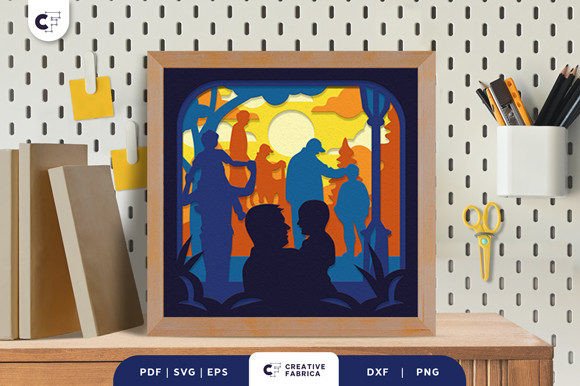
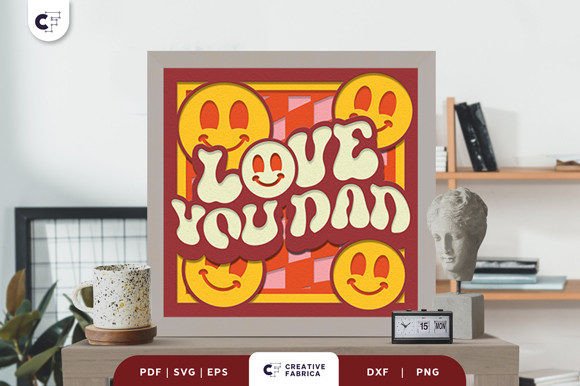
The immediate visual hook of the Love You Dad 3D Shadow Box Paper Cut is its retro-inspired aesthetic. It moves away from the cliché tie-and-shoe motifs often seen in holiday embroidery and leans into a stylized, layered look that mimics paper cut art. For a designer, this is promising because it offers depth without necessarily requiring excessive digitizing complexity—if handled correctly.
The layout features the phrase “Love You Dad” integrated directly into the artwork. From a typography standpoint, this is crucial. Many designs fail because they treat text as an afterthought, slapping it on top of a graphic. Here, the lettering feels like part of the structure. It creates a cohesive unit that reads well even at a glance. The mood is warm, nostalgic, and distinctly masculine yet soft enough for family-oriented branding. It fits naturally into the Father S Day category but has enough timeless appeal to work for birthdays, graduations, or general appreciation gifts throughout the year.
Real-World Application: Where Does This Design Shine?
Let’s talk about actual production. I simulated placing this machine embroidery design on several common substrates to see where it would truly excel. The layered nature of the shadow box style suggests it is best suited for items where the fabric acts as a canvas rather than competing with the design.
- Custom Apparel: I envision this performing exceptionally well on heavyweight cotton sweatshirts or denim jackets. The retro vibe pairs perfectly with vintage-wash fabrics. On a sweatshirt embroidery project, the contrast between the textured fleece and the smooth stitches of the shadow box layers will create a premium feel.
- Tote Bags and Aprons: As a tote bag design, this offers high visibility. Canvas totes are staple items for craft fairs, and a design with strong graphical elements stands out better than simple script fonts. Similarly, on a kitchen apron, the bold graphics add personality without overwhelming the utility of the garment.
- Baby and Nursery Items: While marketed for dads, the clean lines and retro style make this versatile for baby boy gifts or nursery decor. A baby embroidery application on a muslin blanket or a small pillow cover can be incredibly charming, especially if paired with neutral thread colors.
- Embellished Patches: This design could easily serve as a base for an embroidered patch. If you sell patches as accessories for backpacks or hats, the distinct shapes within the shadow box allow for clean edge trimming and applique backing.
Technical Considerations and Stitch Execution
Here is where we get into the weeds of digitizing reality. The term "3D" in the title implies volume, but in machine embroidery, that volume comes from careful use of stitch density and potentially foam underlay or puff printing techniques. If this file relies heavily on dense fill stitches to create the "shadow," you must be cautious about fabric choice.
When testing this digital embroidery file, I noticed that the interplay between the main graphic and the text requires clear separation. If the satins stitch around the letters is too close to the fill areas, the design can look muddy. To maintain clarity, ensure your thread colors provide sufficient contrast against the fabric background. Dark fabrics may require light, metallic, or bright threads to pop, while light fabrics might benefit from darker, richer tones to anchor the design.
One critical note on stitch density: If you plan to use this on stretchy knits or thin materials, verify the stability of the design. Dense fills can pucker lightweight jerseys. In such cases, using a proper stabilizer—perhaps a cut-away for longevity—is non-negotiable. For woven fabrics like cotton or linen, a tear-away or wash-away stabilizer might suffice depending on the final wash requirements.
Pitfalls: Where to Exercise Caution
No design is perfect for every surface. There are specific scenarios where the Love You Dad 3D Shadow Box Paper Cut might struggle if you don’t adjust your approach.
- Small Hoop Sizes: If you are working with very small hoops (under 4x4 inches), the details of the shadow box layers may become indistinguishable. Tiny corners can get lost, and the text may lose legibility. Stick to medium to large hoop sizes for optimal detail retention.
- Textured Fabrics: While great on smooth cottons, this design might get lost on boucle, heavy tweed, or highly textured upholstery fabrics. The needle penetration required for detailed stitching can be difficult on thick, uneven surfaces.
- Curved Surfaces: Applying this to caps or curved hat fronts requires careful hooping and possibly a multi-head machine with curved frames. The flat, graphic nature of the design assumes a relatively flat plane. Distortion can occur if the tension isn’t perfectly calibrated.
- Dense Stitch Areas: Avoid placing this design over seams, pockets, or existing prints unless you are reinforcing the area. Excessive stitching can weaken the fabric integrity, leading to tears during frequent washing.
Commercial Viability and Brand Consistency
For those of us selling finished goods, presentation is everything. This design has high "giftability." The combination of sentiment and stylish graphics makes it a safe yet thoughtful choice for customers who want to avoid cheesy novelty items. It elevates the perceived value of your handmade product.
When creating printable mockups or listing items on Etsy, this design allows for creative staging. It looks excellent on rustic wooden backgrounds, alongside coffee mugs, or on casual wear. It supports a brand identity that values craftsmanship and modern aesthetics. By offering this as part of a curated collection, you signal to buyers that you understand current design trends while respecting traditional sentiments.
Final Designer Notes
Before adding the Love You Dad 3D Shadow Box Paper Cut to your production queue, follow these steps to ensure success:
- Test on Scrap Fabric: Always run a test stitch on the exact fabric and stabilizer combination you plan to use. Check for puckering, thread breaks, and alignment issues.
- Check Contrast: View your design in black and white mockups to ensure the layers separate clearly. If the shadows blend into the highlights, you may need to adjust thread colors or add a border.
- Verify Licensing: Confirm whether the file is intended for personal use only or if it includes commercial rights for selling finished products. This is vital for commercial embroidery businesses.
- Inspect Details: Zoom in on the smallest elements. Ensure there are no overlapping paths that could cause the machine to jump unnecessarily or create loose threads.
In conclusion, the Love You Dad 3D Shadow Box Paper Cut is a strong contender for any designer looking to expand their Father’s Day catalog. It balances artistic flair with wearable functionality. With proper execution, it transforms from a simple graphic into a cherished keepsake, proving that good design is about more than just how it looks on screen—it’s about how it feels in the hand.