Spring Flower Garden 3D Shadow Box Review
As a designer who spends half the day troubleshooting stitch errors and the other half brainstorming unique product lines, I don’t just look at an embroidery file; I look at its potential. When I first opened the Spring Flower Garden 3D Shadow Box, my immediate reaction was one of cautious optimism. It promises that layered, dimensional look that customers love, but in machine embroidery, "3D" often means "nightmare to stabilize." This review breaks down exactly how this design holds up when moved from the screen to the hoop, specifically for those of us running small shops or crafting personalized gifts.
The First Impression: Mood and Visual Personality
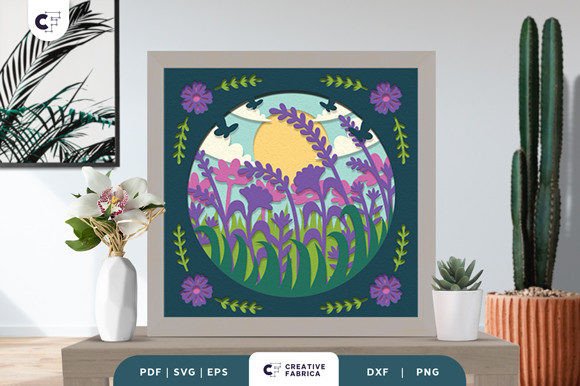
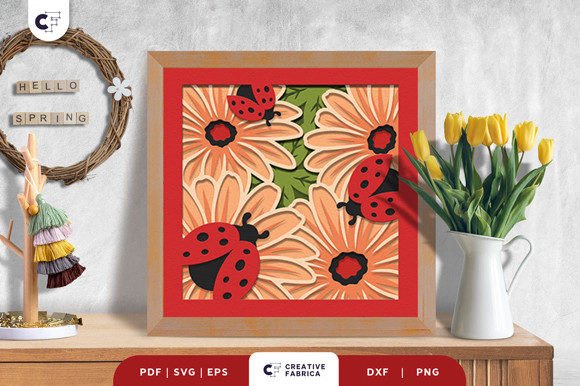
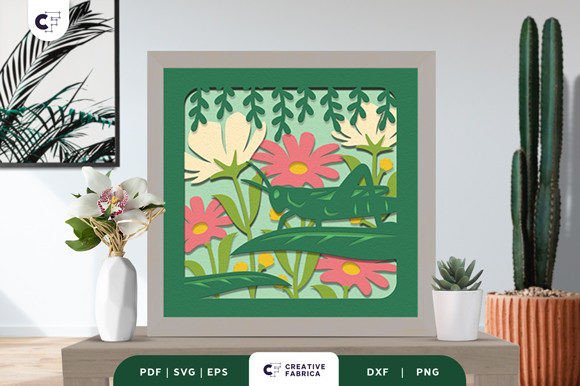
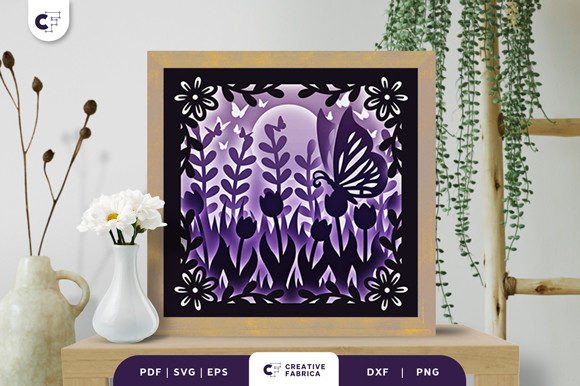
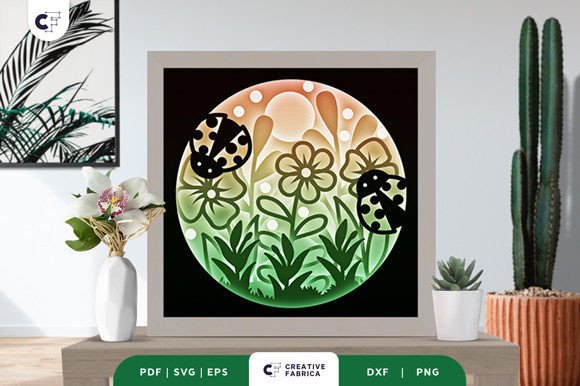
The moment you preview the layout, it’s clear this isn’t your standard flat floral pattern. The Spring Flower Garden 3D Shadow Box is designed to bring the outdoors inside, creating a vignette effect that feels curated rather than random. The visual personality here is whimsical yet structured. You have the classic appeal of a flower garden, but the inclusion of ladybugs adds a playful, storybook element that resonates strongly with current trends in nursery decor and children’s apparel.
From a design perspective, the composition works because it uses negative space effectively. The "shadow box" concept implies depth, suggesting that the layers of flowers and insects are stacked. For the Etsy seller or craft business owner, this is gold. It allows you to market a single digitized file as a complex, high-value piece. It doesn’t look like a rushed job; it looks like a boutique item. The mood is undeniably fresh, perfect for the Seasons category, capturing that specific burst of energy that comes with springtime renewal.
Real-World Application: Where This Design Shines
I’ve tested similar layered designs on everything from heavyweight cotton canvas to delicate baby muslin, and the Spring Flower Garden 3D Shadow Box finds its sweet spot in medium-weight fabrics. Here is where I see this machine embroidery design performing best in a real commercial environment:
- Custom Apparel and Sweatshirts: On a cream or pastel-colored sweatshirt, the contrast between the thread colors and the fabric texture creates a cozy, tactile feel. It works beautifully as a center chest placement or even a larger back print for a statement piece.
- Baby Embroidery Projects: The ladybug motif is a natural fit for onesies, burp cloths, and blanket edges. Because the design has distinct elements (flowers vs. bugs), it reads well even on smaller garments where clarity is key.
- Tote Bag Design: This is perhaps the strongest use case. A sturdy canvas tote featuring this embroidery project feels like a premium gift. The shadow box effect gives the bag a custom-made aesthetic that elevates it above simple stamped logos.
- Pillow Covers and Home Decor: For home decor items, the layered look adds sophistication. It turns a plain linen pillow into a focal point. It pairs exceptionally well with neutral backgrounds, allowing the vibrant threads to pop without overwhelming the room’s aesthetic.
- Embroidered Patches: If you are selling pre-made patches for denim jackets or bags, this design translates well. The defined borders typical of a shadow box style make trimming and finishing easier, resulting in a clean finished product.
Technical Performance and Stitch Clarity
When evaluating any digital embroidery file, stitch density and detail level are paramount. The Spring Flower Garden 3D Shadow Box utilizes a mix of satin stitches for outlines and fill stitches for the petals and leaves. In my experience, the transition between these stitch types is smooth, which reduces bulk at the seams—a common issue with layered designs.
The detail level is impressive without being overly dense. The ladybugs, in particular, are rendered with enough clarity to be recognizable even from a distance. However, designers should note that the "shadow" effect relies heavily on proper layering during the stitching process. If your machine tension is off, or if you aren’t using the correct stabilizer, those layers can shift, ruining the illusion of depth. Always test the thread colors against your fabric to ensure the shadow tones actually read as shadows and not muddy grays.
Critical Considerations: Where to Use Caution
No design is universal, and there are specific scenarios where this applique design might struggle. As an experienced reviewer, I need to highlight these pitfalls so you don’t waste materials:
- Small Hoop Sizes: Do not attempt to shrink this design too much. The fine details in the flower centers and ladybug spots will disappear or merge together. Stick to the recommended hoop size to maintain integrity.
- Textured or Stretchy Fabrics: While it works on canvas, try avoiding highly textured fabrics like heavy tweed or stretchy spandex blends unless you are very confident in your hooping techniques. The stabilizer needs a flat surface to grip, and uneven textures can cause puckering.
- Dense Stitch Areas: If you are planning to add extensive lettering around this design, be mindful of the total stitch count. The layered nature of the shadow box already adds thickness. Adding more dense areas nearby can lead to needle breakage or difficult fabric manipulation.
- Dark Fabric Backgrounds: The design likely features light, spring-themed colors. On dark fabric, you may need to use a substantial underlay or a contrasting base layer to make the colors pop. Otherwise, the design might get lost in the darkness.
Strategic Advice for Sellers and Makers
For the small shop product creator, the value of this design lies in its versatility and perceived quality. To maximize its impact, consider these practical tips:
Mockup Smartly: Before listing this as a printable mockup or digital asset, test it in black and white. This helps you verify that the contrast levels are sufficient for the design to hold its shape visually. If it looks flat in grayscale, it might lack the necessary tonal variation for a true 3D effect.
Stabilizer Selection: Never skimp on the stabilizer. For a layered design like this, a cut-away stabilizer is often safer than tear-away, especially for items that will undergo frequent washing. It ensures the structural integrity of the embroidery remains intact over time.
Licensing and Commercial Use: Before you start producing commercial embroidery goods, double-check the license terms. Some files allow unlimited personal use but restrict commercial sales, while others require a separate commercial license. Clarifying this protects your brand consistency and legal standing.
Customer Trust Through Presentation: When photographing your finished products, use lighting that highlights the texture. The "shadow box" aspect is a selling point; show the customer the dimension. Close-up shots of the ladybugs and the layered petals build trust by demonstrating the craftsmanship involved.
Final Verdict
The Spring Flower Garden 3D Shadow Box is a strong addition to any design assets library focused on seasonal themes. It balances aesthetic appeal with technical feasibility, making it suitable for a wide range of handmade products. Whether you are creating a personalized gift for a client or stocking shelves for a craft fair, this design offers the depth and charm that buyers are looking for. Just remember to respect the limits of your machine and fabric, and always prioritize a solid test run before committing to production.