Turtle and Jellyfish 3D Shadow Box SVG
In the fast-paced world of content marketing, visual consistency is not just an aesthetic choice; it is a strategic necessity. As a brand designer who has reviewed thousands of assets for various campaigns, I look for more than just "pretty pictures." I look for assets that communicate mood, support hierarchy, and scale professionally. Recently, I evaluated a specific graphic design asset titled Turtle and Jellyfish 3D Shadow Box SVG. This piece promises to bring an underwater tranquility to digital spaces, but does it hold up under the pressure of real-world commercial application? Here is my professional review from the perspective of a marketer building a cohesive summer campaign.
The First Impression: Mood and Market Fit
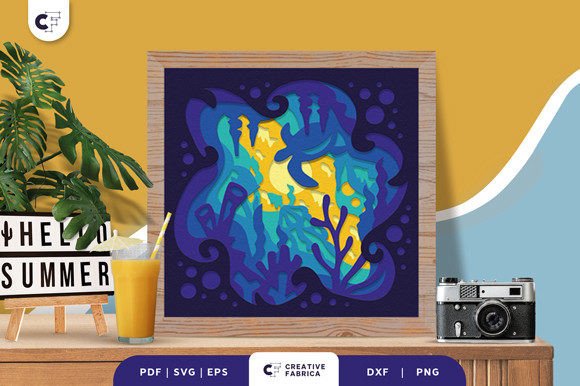
When you first load this SVG design, the immediate takeaway is its layered depth. Unlike flat vector art that can sometimes feel sterile, this shadow box effect introduces dimensionality without clutter. It creates a sense of calm and escape, which is particularly potent in today’s attention economy where users are constantly seeking mental breaks. The emotional tone is serene, playful, and organic. This makes it highly suitable for brands in the wellness, lifestyle, handmade goods, or eco-friendly product sectors.
For a small business launching a seasonal offer, this asset helps establish a premium yet approachable vibe. It avoids the chaotic energy of bright neon graphics, opting instead for a sophisticated palette that suggests quality. When used correctly, it signals to the audience that the brand cares about detail and atmosphere. It feels less like a generic clipart image and more like a curated illustration intended for high-end editorial design or refined social media graphics.
Real-World Application in Marketing Campaigns
To understand the true value of this asset, imagine a scenario: A boutique skincare company is preparing a launch for their new "Ocean Calm" moisturizer line. They need a suite of visuals that will work across multiple touchpoints. Here is how the Turtle and Jellyfish 3D Shadow Box SVG fits into that workflow:
- Social Media Graphics: On Instagram or Facebook, the depth of the shadow box draws the eye immediately. It stands out against flat backgrounds, increasing click-through rates for ads. It serves as a perfect hero graphic for carousel posts explaining product benefits.
- Pinterest Pins: Pinterest is a visual search engine. Vertical pins featuring this 3D element can capture attention in a crowded feed. The intricate details of the sea turtles and jellyfish encourage users to pause and explore, driving traffic to the blog or shop.
- Email Banners: In a newsletter promoting a summer sale, this asset can serve as a header background. Its calming nature reduces cognitive load, making the call-to-action button more prominent and effective.
- Packaging Design: For physical products, this design can be printed on stickers or packaging inserts. The 3D effect translates well to print if done with high-resolution output, adding a tactile luxury feel to unboxing experiences.
This versatility confirms that the asset is not limited to one niche. It supports broader content marketing goals by providing a consistent visual language that bridges digital and physical touchpoints.
Supporting Core Brand Identity and Trust
A strong brand identity relies on repetition and recognition. Using a unique, high-quality illustration like this helps differentiate a brand from competitors who rely on stock photography. When audiences see the same distinct style across a website header, a lead magnet, and a digital ad, it builds audience trust. They begin to associate that specific aesthetic with reliability and professionalism.
Furthermore, this asset aids in visual hierarchy. Because the turtle and jellyfish elements have natural focal points due to their shading and layering, designers can place text strategically around them without obscuring the message. This ensures that the marketing message remains clear while still being visually engaging. It transforms a simple promotional banner into a memorable campaign visual that resonates emotionally with viewers.
Strategic Placement and Versatility
Where should this design live within your marketing ecosystem? It excels as a decorative brand element that adds personality without overwhelming the core content. Consider using it in these specific areas:
- Campaign Headers: Use it at the top of landing pages for summer collections or wellness retreats.
- Product Launch Visuals: Pair it with clean typography to introduce new items in a collection.
- Branded Templates: Integrate it into Canva templates for bloggers or coaches who want a pre-designed, professional look.
- Merchandise: Print it on tote bags, mugs, or t-shirts for a cohesive merchandise line that reflects the brand’s values.
However, no single asset is a silver bullet. There are contexts where this design requires careful handling. Avoid placing it in formal corporate branding environments where sterility and strict minimalism are required. It may also struggle in dense information layouts where every pixel must convey data. Additionally, test it on low-contrast backgrounds; if the shadows blend too much with the backdrop, the 3D effect is lost. Always ensure the asset does not compete with the main message, especially in text-heavy ads where readability is paramount.
Practical Designer Notes for Implementation
Before integrating the Turtle and Jellyfish 3D Shadow Box SVG into your final files, follow these practical steps to ensure professional results:
Color Palette Integration: Test the asset against your existing brand colors. Does it harmonize, or does it clash? You may need to adjust the hue or saturation slightly to match your small business branding guidelines perfectly.
Typography Pairing: Experiment with different font styles. A serif font might enhance the elegant, editorial feel, while a sans-serif font could modernize it for a tech-savvy audience. Script fonts might add a personal, handwritten touch suitable for lifestyle blogs. Always check balance and spacing to ensure the text does not fight the illustration.
Scalability and Readability: Preview the asset on mobile screens. Since many users view content on smaller devices, ensure that the details of the shadow box remain visible and do not become muddy when scaled down. Check black and white usage as well; sometimes converting to monochrome reveals structural weaknesses in the design.
Licensing Verification: Finally, confirm the commercial license. If you are using this for paid campaigns, client work, or direct sales, ensure you have the rights to use it as a commercial design. Understanding the terms prevents legal issues and protects your brand’s reputation.
In conclusion, the Turtle and Jellyfish 3D Shadow Box SVG is a robust tool for creative entrepreneurs looking to elevate their visual content. It offers a blend of artistic depth and marketing utility that can significantly enhance engagement. By applying it thoughtfully across your channels—from social media to packaging—you create a unified, trustworthy, and aesthetically pleasing brand experience that invites your audience to take a break and engage with your story.